
When it comes to choosing the perfect pool system for your North Texas home, the debate between salt water and chlorine pools continues to spark conversations among DFW homeowners.
With our region’s unique challenges, scorching summer heat that can reach over 100°F, hard water conditions, and dramatic seasonal temperature swings, making the right choice is crucial for your long-term satisfaction and investment.
As North Texas pool professionals who have served the Dallas-Fort Worth metroplex for years, we understand that this decision impacts not just your initial pool construction costs, but also your ongoing maintenance expenses, equipment longevity, and overall swimming experience.
Let’s dive deep into everything you need to know to make an informed decision for your Texas backyard oasis.
How Do Salt Water Pools Actually Work?
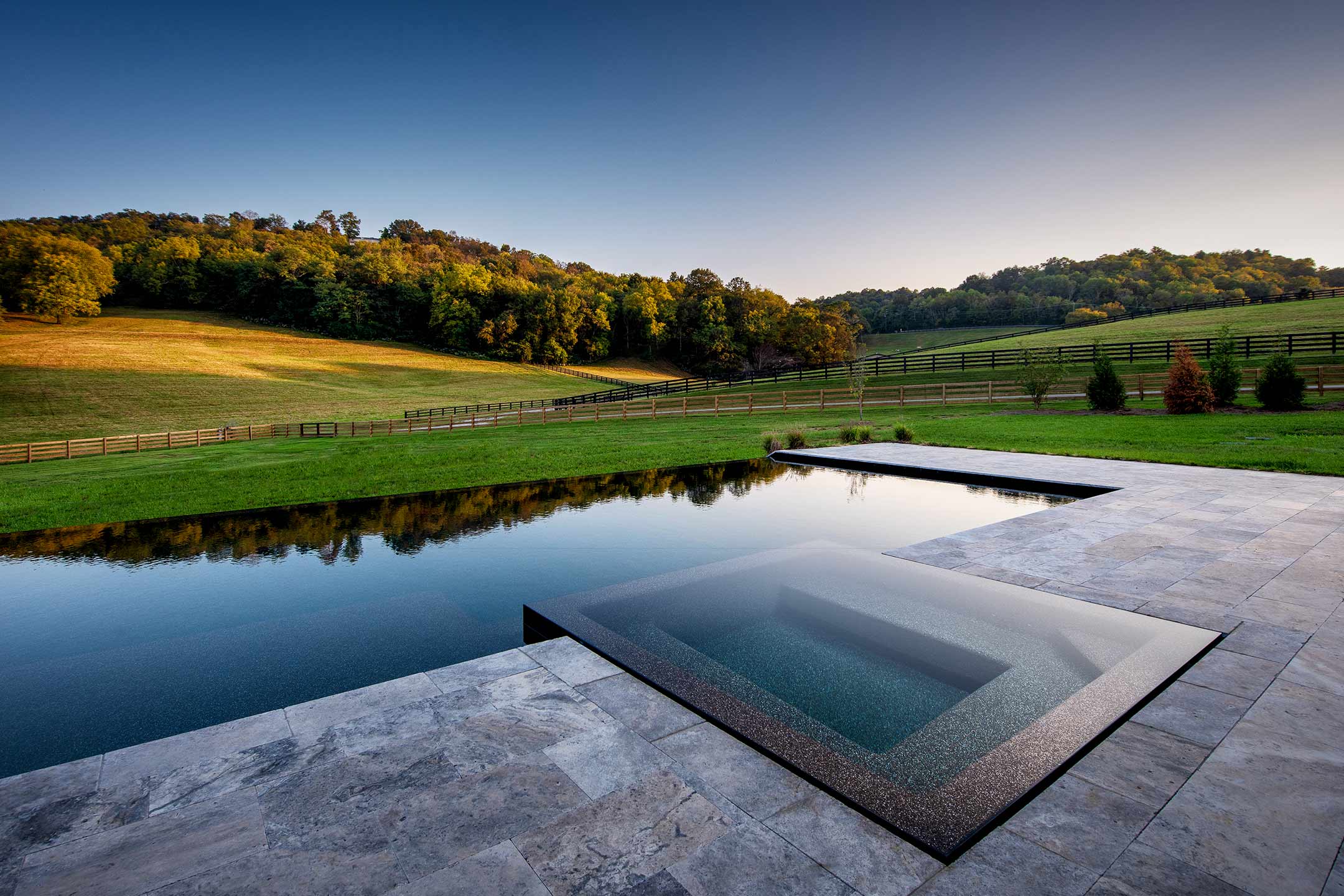
The Science Behind Salt Chlorination
Contrary to popular belief, salt water pools aren’t chlorine-free.
Instead, they use a sophisticated salt chlorine generator (also called a salt cell) that converts dissolved salt into chlorine through a process called electrolysis.
When pool-grade salt is added to your water and passes through the generator’s electrically charged plates, it breaks down into sodium and chlorine.
This automated process continuously produces chlorine at consistent levels, typically maintaining 1-3 parts per million (ppm), the same sanitization level as traditional chlorine pools, but achieved through a gentler, more stable method.
The chlorine sanitizes your pool by eliminating bacteria, algae, and other contaminants, then naturally reverts back to salt, creating a self-sustaining cycle.
Salt Levels vs. Ocean Water: What to Expect
Many North Texas homeowners worry their pool will taste like the ocean.
Rest assured, salt water pools contain approximately 3,200-4,000 ppm of salt, which is about one-tenth the salinity of ocean water (35,000 ppm).
To put this in perspective, it’s closer to the salt content in human tears (9,000 ppm), which explains why these pools are generally less irritating to eyes.
How Traditional Chlorine Pools Function in Texas Heat
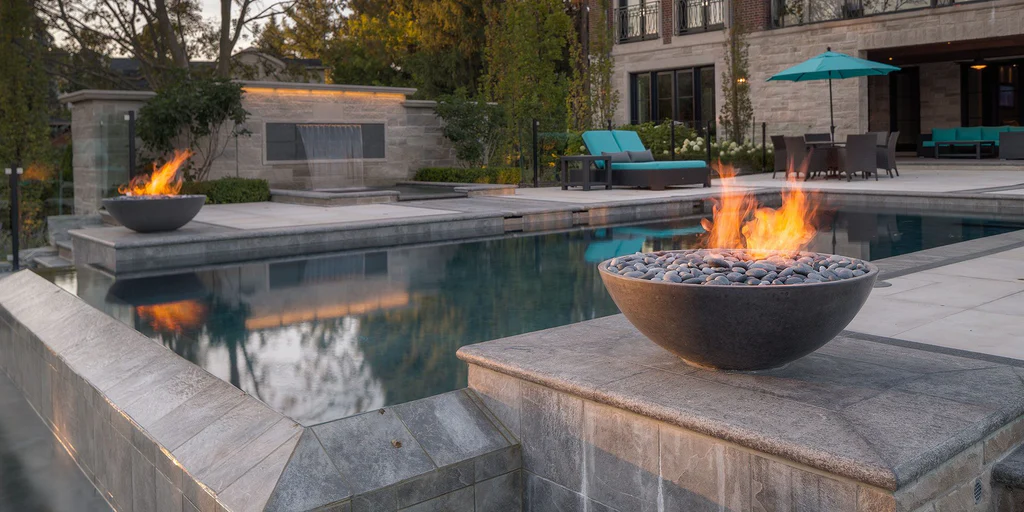
Manual Chlorination Process
Traditional chlorine pools require manual addition of chlorine in various forms, tablets, liquid, granules, or powder.
In the intense Texas sun, chlorine breaks down rapidly due to UV exposure, requiring more frequent additions during our peak summer months.
DFW pool owners typically find themselves adding chlorine 2-3 times per week during July and August, compared to once weekly in cooler months.
The North Texas Challenge
Our region’s high temperatures accelerate chlorine consumption. When water temperatures exceed 85°F—common in Texas pools from June through September, chlorine demand can double or even triple.
This means higher chemical costs and more frequent pool maintenance requirements compared to cooler climates.
What Are the Real Costs: Initial Investment vs. Long-Term Expenses?
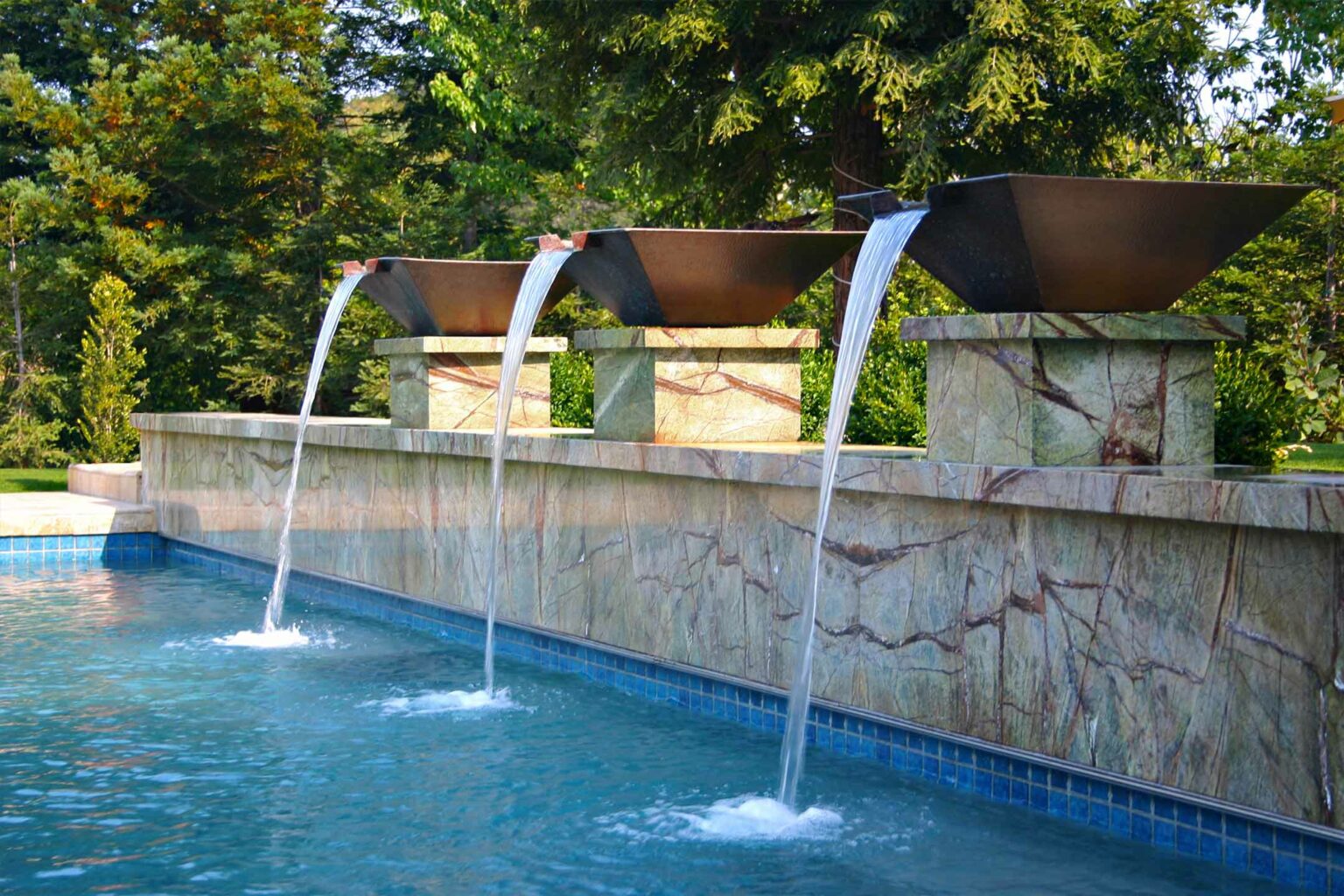
Salt Water Pool Costs in DFW
Initial Investment:
- Salt chlorine generator: $1,500-$2,500
- Professional installation: $500-$800
- Initial salt (for 20,000-gallon pool): $100-$150
- Total setup: $2,100-$3,450
Annual Operating Costs:
- Salt replenishment: $50-$100
- Cell replacement (every 3-7 years): $200-$800 amortized annually
- Electricity for generator: $150-$200
- pH adjustment chemicals: $100-$150
- Total annual cost: $500-$650
Chlorine Pool Costs in North Texas
Initial Investment:
- Chlorinator or floater: $50-$300
- Initial chemical kit: $100-$150
- Total setup: $150-$450
Annual Operating Costs:
- Chlorine (tablets/liquid): $500-$800 (higher in Texas due to sun exposure)
- Shock treatments: $100-$150
- Algaecide: $75-$100
- pH and alkalinity adjusters: $75-$100
- Total annual cost: $750-$1,150
For expert guidance on managing these costs, consult our comprehensive guide on pool cleaning service pricing in the DFW area.
Which System Requires Less Maintenance in Texas?
Salt Water Pool Maintenance
Salt water pools offer reduced daily maintenance since the chlorine generator continuously produces chlorine, eliminating the need for frequent manual additions. However, they’re not maintenance-free:
Weekly Tasks:
- Test and adjust pH levels (critical in Texas due to high pH rise from salt generation)
- Check salt levels
- Clean skimmer baskets
- Monitor cyanuric acid levels
Monthly Tasks:
- Inspect salt cell for calcium buildup (common with North Texas hard water)
- Test water hardness
- Check total alkalinity
Seasonal Tasks:
- Clean salt cell with muriatic acid (2-3 times per year)
- Winterize pool when water drops below 60°F
Chlorine Pool Maintenance
Traditional chlorine pools in North Texas require more frequent attention:
Weekly Tasks:
- Add chlorine tablets or liquid (2-3 times in summer)
- Test and balance water chemistry
- Shock pool after heavy use or rain
- Add algaecide
Monthly Tasks:
- Deep clean filters
- Check calcium hardness
- Adjust stabilizer levels
Seasonal Tasks:
- Increase chlorine during peak summer
- Adjust chemical routine for winter months
How Does Texas Weather Affect Each System?
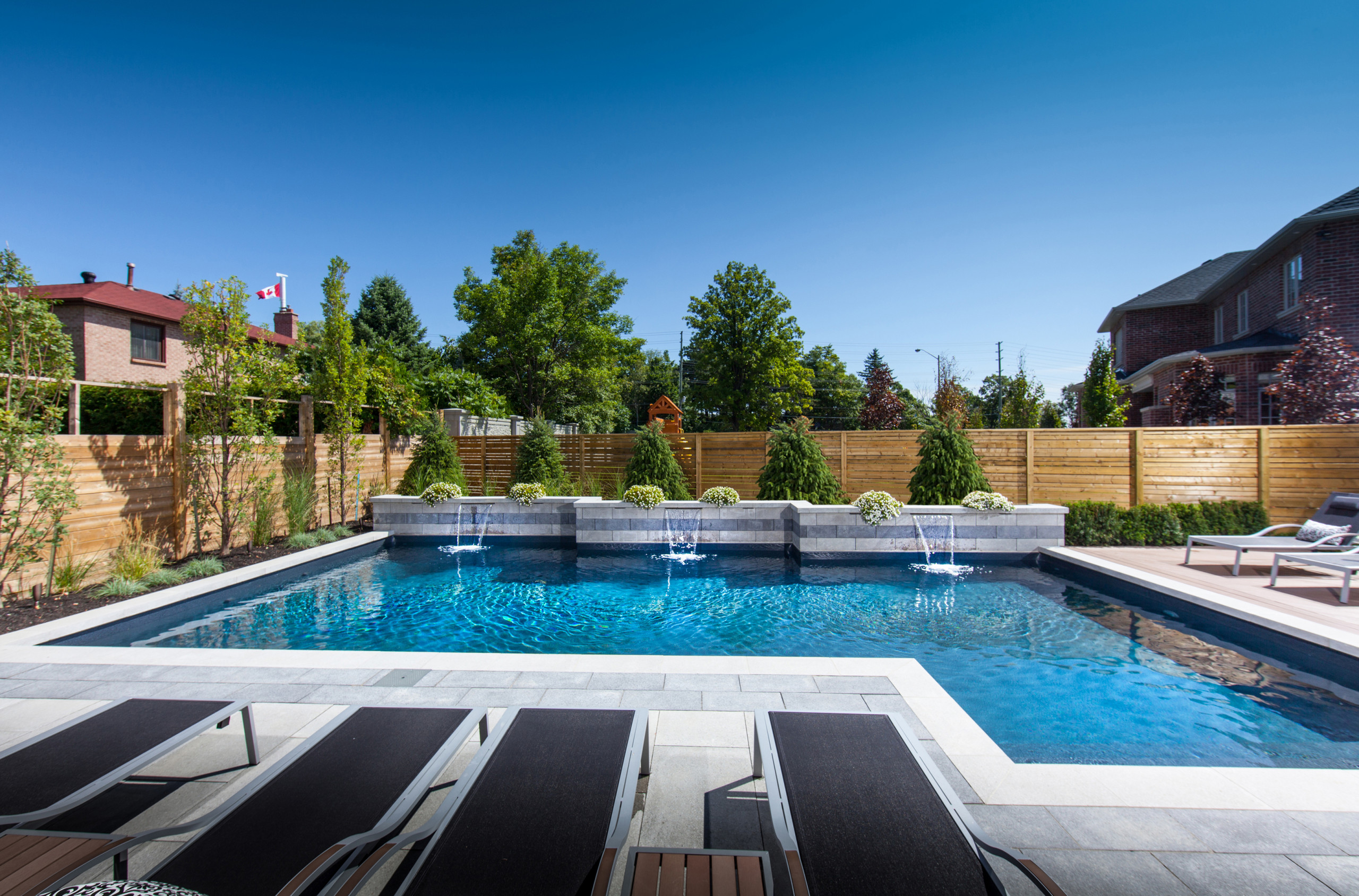
Summer Performance (June-September)
Salt Water Pools: Salt cells perform excellently in Texas heat, with cyanuric acid levels properly maintained to handle full sun exposure.
The consistent chlorine production keeps pace with increased demand, though you’ll need to run your pump longer (8-10 hours daily) to generate adequate chlorine.
Chlorine Pools: The scorching Texas sun rapidly depletes chlorine levels, requiring vigilant monitoring and frequent additions. Pool owners often need to add stabilizer (cyanuric acid) to protect chlorine from UV degradation.
Winter Considerations (December-February)
Salt Water Pools: Salt cells stop generating chlorine when water temperature drops below 55-60°F, requiring supplemental chlorination with traditional methods during North Texas winters.
Most DFW pool owners switch to chlorine tablets from December through February.
Chlorine Pools: Continue functioning normally in cold weather, though chlorine demand decreases significantly. Winter maintenance is actually easier for chlorine pools in North Texas.
Is Salt Water Really Better for Skin and Eyes?
The Comfort Factor
Salt water pools provide softer-feeling water that’s gentler on skin, eyes, and hair due to lower chloramine levels, the compounds responsible for traditional “chlorine smell” and irritation. This makes them particularly appealing for:
- Families with young children
- Swimmers with sensitive skin or eczema
- Those who swim frequently
- People with allergies or asthma
The Science Behind the Sensation
The reduced irritation isn’t just about lower chlorine levels, it’s about the quality of chlorine produced.
Salt-generated chlorine is pure, without the additives and stabilizers found in store-bought chlorine products that can cause irritation.
What About Equipment Longevity and Corrosion in Texas?
Salt Water Impact on Pool Equipment
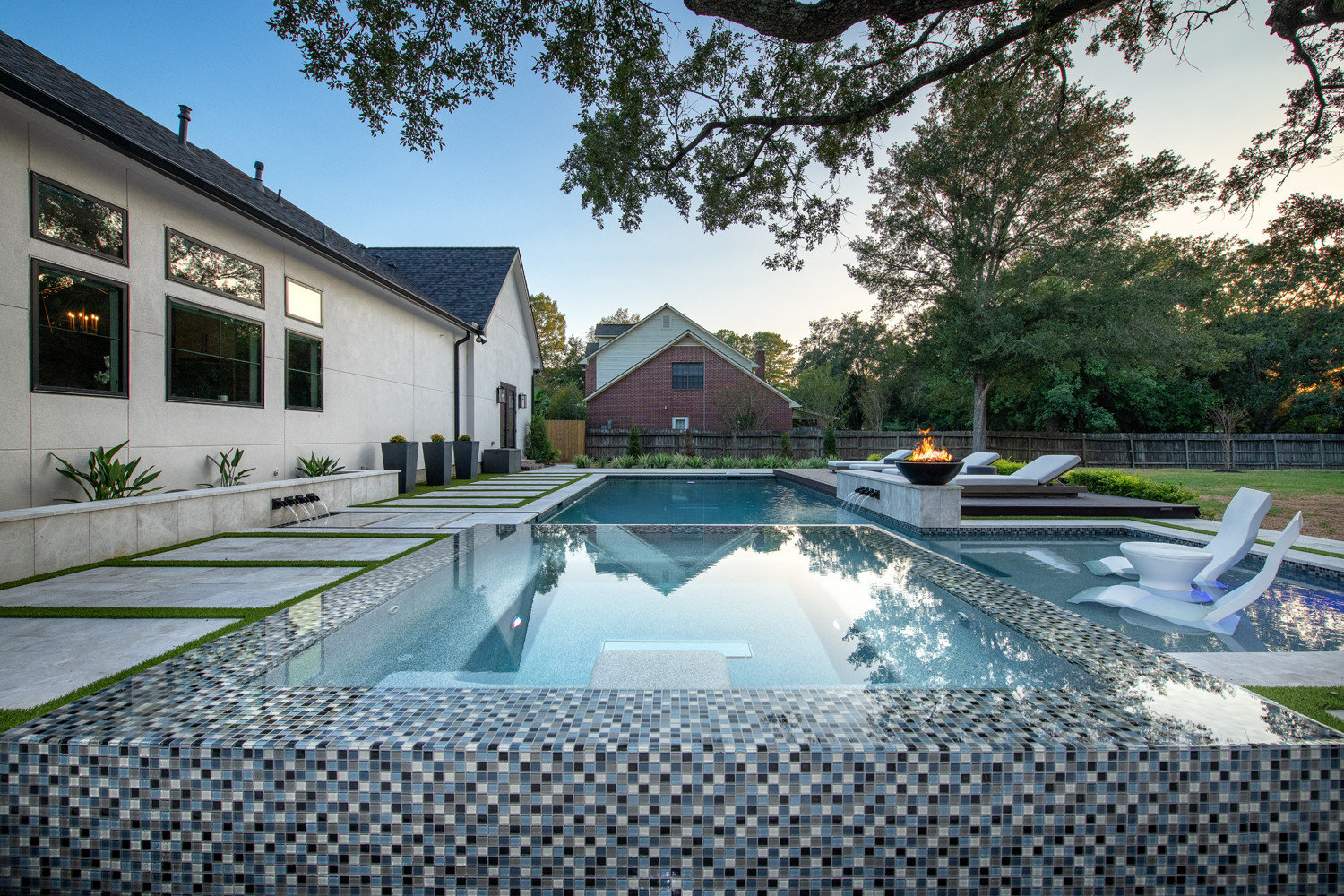
Salt water’s corrosive nature can affect pool equipment and surroundings, particularly metal components and natural stone surfaces. In North Texas, this includes:
Vulnerable Components:
- Metal handrails and ladders (replace with salt-resistant materials)
- Natural limestone coping (popular in Texas)
- Pool heaters with copper heat exchangers
- Automatic pool covers with metal parts
Protection Strategies:
- Use sacrificial zinc anodes
- Apply protective sealers to stone surfaces
- Choose salt-resistant equipment
- Rinse metal furniture regularly
For assistance with equipment issues, explore our pool tile repair services.
Chlorine Pool Equipment Considerations
Traditional chlorine pools are generally less corrosive to equipment, though improper chemical balance can still cause damage. The main concerns in North Texas include:
- Scale buildup from hard water
- Equipment strain from continuous summer operation
- UV damage to plastic components
Which Pool Type is More Environmentally Friendly?

Environmental Impact in North Texas
Salt Water Pools:
- Lower chemical transportation footprint
- Reduced plastic waste from chemical containers
- Concern: Salt discharge into soil can affect landscaping
- Must manage backwash water carefully to protect Texas native plants
Chlorine Pools:
- Higher chemical production and transportation impact
- More plastic waste from chemical containers
- Easier to neutralize before draining
- Less impact on surrounding vegetation
Common Myths About Salt Water Pools in Texas
Myth 1: Salt Water Pools Are Maintenance-Free
Reality: While they require less frequent chemical additions, salt water pools still need regular monitoring, especially in Texas where high temperatures and evaporation require frequent water additions that dilute salt levels.
Myth 2: You Can’t Get Algae in Salt Water Pools
Reality: Salt water pools can develop algae, especially during Texas’s humid summers. Proper circulation, filtration, and maintaining appropriate chlorine levels remain essential.
Myth 3: Salt Water Pools Don’t Work in Texas Heat
Reality: Salt water pools work excellently in Texas heat when cyanuric acid levels are properly maintained to protect chlorine from sun degradation.
Myth 4: Converting to Salt Water is Complicated
Reality: Most pools can be converted to salt water systems, though pool construction professionals should evaluate your specific setup for compatibility.
Making the Right Choice for Your North Texas Home
Choose Salt Water If You:
- Prioritize swimming comfort and have family members with sensitive skin
- Prefer automated maintenance systems
- Can handle higher upfront costs for long-term savings
- Don’t mind replacing equipment more frequently
- Have fiberglass or properly sealed concrete pools
Choose Chlorine If You:
- Want lower initial investment
- Prefer proven, traditional methods
- Have natural stone features you want to preserve
- Don’t mind regular chemical maintenance
- Want consistent performance year-round
Professional Installation and Maintenance in DFW
Whether you choose salt water or chlorine, professional installation ensures optimal performance in North Texas conditions. Key considerations include:
- Proper sizing of salt chlorine generators for Texas heat
- Equipment selection rated for our climate extremes
- Plumbing modifications for efficient circulation
- Integration with existing pool automation systems
Conclusion: The Best Choice for North Texas Pools
After years of installing and maintaining both system types throughout the DFW metroplex, we’ve found that the “best” choice ultimately depends on your specific priorities, budget, and lifestyle.
Salt water pools provide a gentler, low-maintenance experience ideal for families and sensitive swimmers, while chlorine pools offer time-tested reliability and lower initial costs.
For many North Texas homeowners, salt water systems prove worthwhile despite higher upfront costs, particularly given our long swimming season from March through October.
The automated chlorine production and improved swimming comfort often outweigh the additional equipment concerns.
However, chlorine pools remain an excellent choice for budget-conscious homeowners or those with extensive natural stone features typical of Texas landscape design.
With proper maintenance, either system can provide years of refreshing relief from our infamous Texas heat.
Ready to make your decision?
Contact Tropix Pools today for a personalized consultation.
We’ll evaluate your specific situation, discuss your priorities, and help you choose the perfect pool system for your North Texas home.
Whether you’re building new or considering a conversion, our expertise in DFW pool installation and maintenance ensures you’ll make the right choice for years of swimming enjoyment.