
Your pool is the centerpiece of your Dallas home’s outdoor living space, providing relief from those scorching Texas summers.
But like any major home investment, it requires proper maintenance to stay in pristine condition.
One of the most critical aspects of pool care that homeowners often overlook is knowing when it’s time for replastering.
With over 20 years of experience serving Dallas homeowners, we’ve seen firsthand how proper timing of pool crack repair and replastering can save thousands in potential damage while keeping your pool beautiful and safe for years to come.
What Are the Signs Your Pool Needs Replastering?

1. Rough or Gritty Texture
The most obvious sign that your Dallas pool needs replastering is when the surface becomes rough to the touch.
This isn’t just uncomfortable for swimmers, it’s a safety hazard that can cause cuts and scrapes, especially for children.
The roughness occurs as the plaster wears down over time, exposing the underlying gunite or concrete structure.
2. Visible Staining and Discoloration
Understanding Normal vs. Problematic Staining
While some minor staining is normal as pools age, widespread discoloration that doesn’t respond to chemical treatments or professional cleaning indicates deteriorating plaster.
Dallas’s hard water, combined with our intense UV exposure, accelerates this process compared to other regions.
3. Chalky Residue on Skin and Swimwear
If you notice a white, chalky substance on your skin or swimsuits after swimming, your plaster is breaking down.
This residue indicates that the plaster is literally dissolving into your pool water, affecting both water chemistry and the overall pool maintenance cost for Dallas homeowners.
4. Cracks and Structural Damage
Surface Cracks vs. Structural Cracks
Not all cracks are created equal. Spider web cracks on the surface typically indicate aging plaster, while deeper, wider cracks may signal structural issues requiring immediate attention.
Our repair services team can assess whether you need simple replastering or more extensive structural work.
5. Excessive Chemical Usage
When plaster deteriorates, it becomes increasingly porous, absorbing chemicals faster than healthy plaster. If you’ve noticed your pool cleaning service costs rising due to increased chemical usage, deteriorating plaster might be the culprit.
How Long Does Pool Plaster Last in Dallas?

Typical Lifespan in Texas Climate
In Dallas’s unique climate, with our extreme temperature swings and intense summer heat, pool plaster typically lasts:
- Standard white plaster: 7-10 years
- Colored plaster: 8-12 years
- Pebble finishes: 15-20 years
- Quartz finishes: 12-15 years
Factors Affecting Plaster Longevity
The lifespan of your pool’s plaster depends on several factors specific to Dallas-area pools:
- Water chemistry maintenance frequency
- Pool usage patterns
- Quality of initial installation
- Regular pool maintenance practices
- Exposure to freeze-thaw cycles
How Much Does It Cost to Replaster a Pool in Dallas?

Average Replastering Costs for Dallas Homeowners
Pool replastering costs in the Dallas metroplex typically range from:
- Basic white plaster: $4,000 – $7,000
- Colored plaster: $5,000 – $8,500
- Aggregate finishes: $6,000 – $12,000
- Premium pebble or quartz: $8,000 – $15,000
These prices vary based on pool size, accessibility, and current condition. Compared to the cost to build a new pool, replastering is a cost-effective way to revitalize your existing pool.
Cost Factors Specific to Dallas
What Influences Your Final Price
Several factors unique to the Dallas market affect replastering costs:
- Pool size and depth: Larger pools require more materials and labor
- Current surface condition: Extensive prep work increases costs
- Chosen finish type: Premium materials cost more but last longer
- Seasonal timing: Spring and early summer typically see higher prices
- Additional repairs: Tile and coping repair often accompanies replastering
When Is the Best Time to Replaster a Pool?

Optimal Seasons for Dallas Pool Replastering
Why Fall and Winter Are Ideal
In Dallas, the best time to replaster your pool is during the fall or winter months (October through February). Here’s why:
- Lower demand means better scheduling availability
- Cooler temperatures provide ideal curing conditions
- Less pool usage during these months
- Preparation for next summer ensures your pool is ready when temperatures rise
Planning Your Replastering Project
Timeline Considerations
A typical replastering project in Dallas takes 3-7 days, including:
- Day 1-2: Draining and surface preparation
- Day 3-4: Application of new plaster
- Day 5-7: Filling and chemical balancing
Remember to winterize your pool properly if replastering extends into colder months.
Can You Replaster a Pool Yourself?

DIY vs. Professional Replastering
Why Professional Installation Matters
While DIY pool maintenance tasks like cleaning pool tiles are manageable for homeowners, replastering requires professional expertise. Here’s why Dallas homeowners should choose professional installation:
Professional Benefits:
- Proper surface preparation ensures longevity
- Specialized equipment for even application
- Knowledge of local building codes
- Warranty protection
- Proper disposal of old plaster materials
DIY Risks:
- Uneven application leading to premature failure
- Improper mixing ratios affecting durability
- Safety hazards from chemicals and equipment
- No warranty coverage
- Potential code violations
How Do You Maintain Pool Plaster?

Essential Maintenance Tips for Dallas Pools
Year-Round Care Guidelines
Proper maintenance can extend your plaster’s life by several years:
- Maintain proper water chemistry: pH between 7.2-7.6, alkalinity 80-120 ppm
- Brush weekly: Prevents algae and mineral buildup
- Address stains quickly: Early treatment prevents permanent damage
- Regular professional inspection: Catch problems early
- Consistent pool cleaning: Reduces chemical stress on plaster
Seasonal Maintenance Considerations
Summer vs. Winter Care in Dallas
Dallas’s extreme seasonal variations require adjusted maintenance approaches:
Summer (May-September):
- Monitor pH more frequently due to high bather load
- Increase brushing frequency
- Check for sun damage and fading
- Maintain proper water levels despite evaporation
Winter (December-February):
- Continue chemical maintenance even when pool isn’t used
- Protect from freeze damage
- Remove debris promptly to prevent staining
Making the Right Decision for Your Dallas Pool
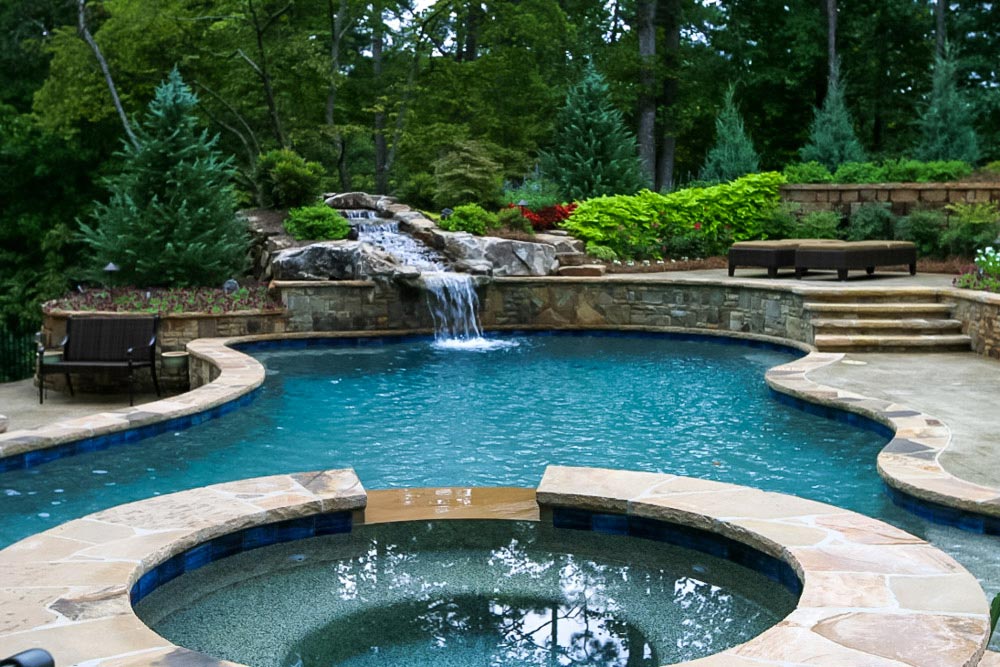
Recognizing when your pool needs replastering is crucial for maintaining your investment and ensuring safe, enjoyable swimming for your family.
If you’ve noticed any of the five warning signs discussed – rough texture, staining, chalky residue, cracks, or excessive chemical use – it’s time to take action.
With over two decades of experience serving Dallas homeowners, we understand the unique challenges Texas pools face.
From our extreme weather patterns to our specific water chemistry issues, local expertise matters when it comes to pool replastering.
Don’t wait until minor plaster issues become major structural problems.
Early intervention not only saves money but also ensures your pool remains the stunning centerpiece of your outdoor kitchen and living space that you’ve worked hard to create.
Take Action Today
Is your Dallas pool showing signs of plaster wear? Don’t let minor issues escalate into costly repairs.
Our experienced team provides thorough inspections and honest assessments of your pool’s condition.
We’ll help you understand whether you need simple maintenance, targeted repairs, or complete replastering.
Contact us today for a professional consultation and discover why Dallas homeowners have trusted us with their pools for over 20 years. Let’s ensure your pool remains beautiful, safe, and ready for those hot Texas summers ahead.
